Tuesday, September 8, 2026

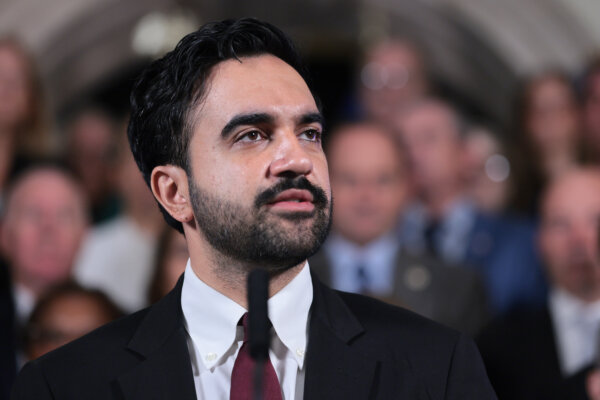
Mamdani Releases 9/11 Records

New York City’s council, authorized by Mayor Zohran Mamdani, on Tuesday released thousands of documents related to Sept. 11, 2001, including private communications between city officials about litigation and air... ‌ ‌ ‌ ‌ ‌ ‌ ‌ ‌ ‌ ‌ ‌ ‌ ‌ ‌ ‌ ‌ ‌ ‌ ‌ ‌ ‌ ‌ ‌ ‌ ‌ ‌ ‌ ‌ ‌ ‌ ‌ ‌ ‌ ‌ ‌ ‌ ‌ ‌ ‌ ‌ ‌ ‌ ‌ ‌ ‌ ‌  ‌ ‌ ‌ ‌ ‌ ‌ ‌ ‌ ‌ ‌ ‌ ‌ ‌ ‌ ‌ ‌ ‌ ‌ ‌ ‌ ‌ ‌ ‌ ‌ ‌ ‌ ‌ ‌ ‌ ‌ ‌ ‌ ‌ ‌ ‌ ‌ ‌ ‌ ‌ ‌ ‌ ‌ ‌ ‌ ‌ ‌  ‌ ‌ ‌ ‌ ‌ ‌ ‌ ‌ ‌ ‌ ‌ ‌ ‌ ‌ ‌ ‌ ‌ ‌ ‌ ‌ ‌ ‌ ‌ ‌ ‌ ‌ ‌ ‌ ‌ ‌ ‌ ‌ ‌ ‌ ‌ ‌ ‌ ‌ ‌ ‌ ‌ ‌ ‌ ‌ ‌ ‌  ‌ ‌ ‌ ‌ ‌ ‌ ‌ ‌ ‌ ‌ ‌ ‌ ‌ ‌ ‌ ‌ ‌ ‌ ‌ ‌ ‌ ‌ ‌ ‌ ‌ ‌ ‌ ‌ ‌ ‌ ‌ ‌ ‌ ‌ ‌ ‌ ‌ ‌ ‌ ‌ ‌ ‌ ‌ ‌ ‌ ‌  ‌ ‌ ‌ ‌ ‌ ‌ ‌ ‌ ‌ ‌ ‌ ‌ ‌ ‌ ‌ ‌ ‌ ‌ ‌ ‌ ‌ ‌ ‌ ‌ ‌ ‌ ‌ ‌ ‌ ‌ ‌ ‌ ‌ ‌ ‌ ‌ ‌ ‌ ‌ ‌ ‌ ‌ ‌ ‌ ‌ ‌ 
September 08, 2026

A free account will be created for you to read the article. If you wish not to receive our news alerts, unsubscribe here.

Mamdani Releases 9/11 Records
The Surprising New Trend of Underconsumption
Health
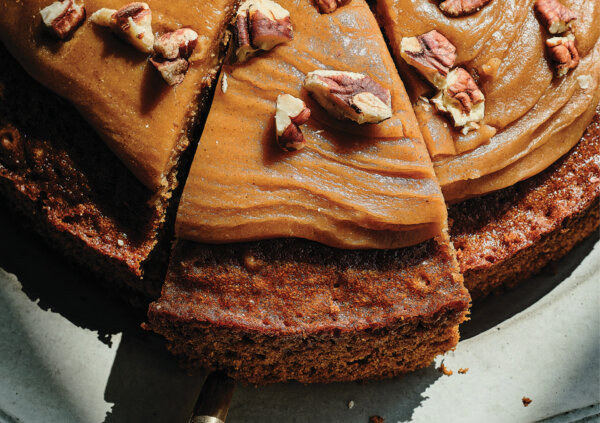
Modern Honey Cake, a Sweet Symbol for the Jewish New Year
Leah Koenig’s latest book celebrates desserts, featuring 100 Jewish sweets to enjoy throughout the year—for holidays, Shabbat and everyday occasions. I chose this recipe for its moist texture and gently sweet flavor. Growing up, my family’s dessert table always included a loaf of honey cake from a local Jewish bakery, which I carefully avoided. Too sweet and too heavy-handed for me, it always sent me reaching for the fresh berries instead.
Epoch Times iOS     Epoch Times Android
mt

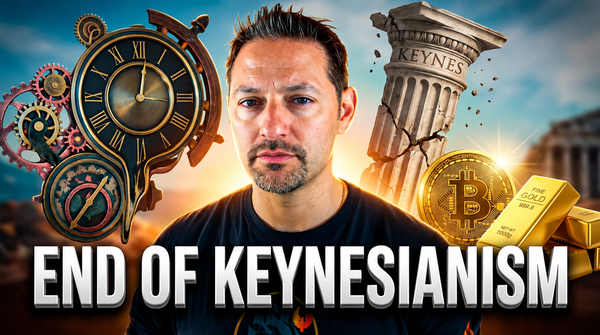
Warsh, forward guidance, and a post-Keynesian world


1400 Village Square Blvd
#3-80375
Tallahassee FL 32312
USA


Unsubscribe   |   Change Subscriber Options

We start in 30 minutes

View in browser

John Ioannidis, the widely cited Stanford epidemiologist whom I first learned about for his sensible Covid takes, has a new paper you should know about.

It's about to be released in Perspectives in Biology and Medicine, and it's called "Science Journalism and Advocacy: disseminating, facilitating, defending, shaping, terrorizing, or usurping science?"

Ioannidis describes how public understanding of science actually gets formed, and he notes, almost in passing, that in our day "an influencer who knows nil about scientific methodology can become the Pope or Savonarola of public health."

If you've watched any public controversy up close (and if you read this newsletter, you have), you already know he's right. But the paper is worth your attention because Ioannidis is diagnosing something important.

Science journalism, he argues, used to have a modest job: to explain to the public in non-technical language what researchers have discovered. Somewhere along the way it acquired a much bigger job. It started shaping the science, then in his darker examples usurping it, setting the narrative before the evidence is even in.

It can do this because of a simple asymmetry he keeps returning to: journalism can be written overnight, while research takes years. So by the time the actual study lands, the story has already hardened into "what everyone knows," and no study, however good, easily dislodges what "everyone knows."

Whoever holds the megaphone, Ioannidis says,
 gets to define reality. What does the megaphone reward? Confidence, speed, and packaging, not accuracy, humility, or "we don't know yet." As you may have noticed, the people best at commanding our attention are, over and over, not the people who know the most.

He spends some time on a specific example: how Scientific American has disgraced itself since 2020: "
Once highly respectable, it became a polarizing ideological outlet, occasionally even employing outright smearing machinery. The editor-in-chief who led this sad transformation ended up resigning after publishing highly insulting political messages in social media."

Nowadays, says Ioannidis, science journalism "can be inaccurate, superficial, exaggerated, and not properly placed into perspective. Journalism’s frequent quest to grab momentary attention is anti-diametric to science’s quest to be accurate, in-depth, and nuanced. Titles are selected to be eye-catching, even if often irrelevant or tangential to the real content. Stories lack numbers or use them in misleading ways."

The obvious lesson to draw from Ioannidis is the black-pilled one: the loudmouths win and the game is rigged. And if you stop there, you get to feel superior and do nothing.

But here's the more important lesson, in my opinion: the people who lose in this scenario are the ones who are actually right -- the careful, honest, technically correct people who understandably assumed that being right would be enough.

People like that expect the evidence to speak for itself. And while they wait for it to do so, someone with a tenth of their knowledge and ten times their nerve walks off with the microphone and fills the world with nonsense.


My opinion nowadays is that being right and refusing to learn how to convey what you're right about is not humility. It's surrender. It's unilateral disarmament.

I've spent thirty years watching this play out, and not only in science. As I mentioned last week, I've sat in audiences at debates where the person with the better case lost -- not because the room was stacked, but because the weaker case was delivered with clarity and force while the stronger one was mumbled, hedged, and buried in qualifications.

I've felt a room move toward the worse argument in real time. Once or twice I've even felt it start to move me, and I do this for a living!


That's the thing almost nobody with good ideas wants to accept: your correctness does not defend itself. We can feel satisfied with ourselves about being right, or we can be right and also win the argument.

The good news, and the reason this isn't just a black-pilled note about how everything's rigged, is that delivery is not a gift you're born with or without. It's a skill. The person who commands a room doesn't belong to a different species from you. He learned what to do. Most of what he does is invisible to people who haven't taken the trouble to learn it.

But the honest, the careful, the people who are actually right can learn how to move a room, too.


That's what this free webinar is about -- and it starts in thirty minutes. (It's a "free webinar" most people would charge $497 for, by the way.)

I'm going to teach what I've learned in thirty years about making ideas land -- not tricks for fooling people, but the actual craft of taking something true and important and delivering it so a room believes it and remembers it.

Some of it will be useful to you tomorrow morning, whether or not you ever do anything else with me. There's no replay, though. This is live, and when it's over it's gone -- so if you want it, you need to be in the room.


If you've ever had the experience of being right and watching it not matter, this is for you.

And that doesn't have to be science or politics: it can be in your professional capacity, when the doofus who has five percent of your expertise gets his way because he's better at this than you are.

We start in 30 minutes.

Register here:

https://www.tomwoods.com/theskill

and I'll see you there.

Tom Woods

P.S. Ioannidis's paper is bleak about where things are heading, and I don't entirely disagree with him. But his whole field rests on a bet that the truth, argued well, can still win. So does mine. Today is about the "argued well" part, to give truth a fighting chance.


This email was sent to fisdmaintenance@gmail.com
why did I get this?    unsubscribe from this list    update subscription preferences
Tom Woods · PO Box 701447 · Saint Cloud, FL 34770 · USA

The president can’t buy an iPhone: 10 presidential restrictions

Your daily drop of Americanness is here!
The American Facts
Being the president of a nation might seem glamorous, and while it comes with a couple of nice benefits, the role is also full of obligations, strict protocols, and surprising restrictions. From accepting luxurious gifts to buying a smartphone or taking a simple walk, here are all the "don’ts" of being a US president!
Divider
Divider
Choose your favorite category!

General

As American as apple pie—the very best America has to offer!

Culture

Delve into the astounding richness of American lore.

Geography

Hop in and explore vast and diverse American landscapes.

History

People and things that defined Americanness through the ages.
© 2026, American Facts. All rights reserved.